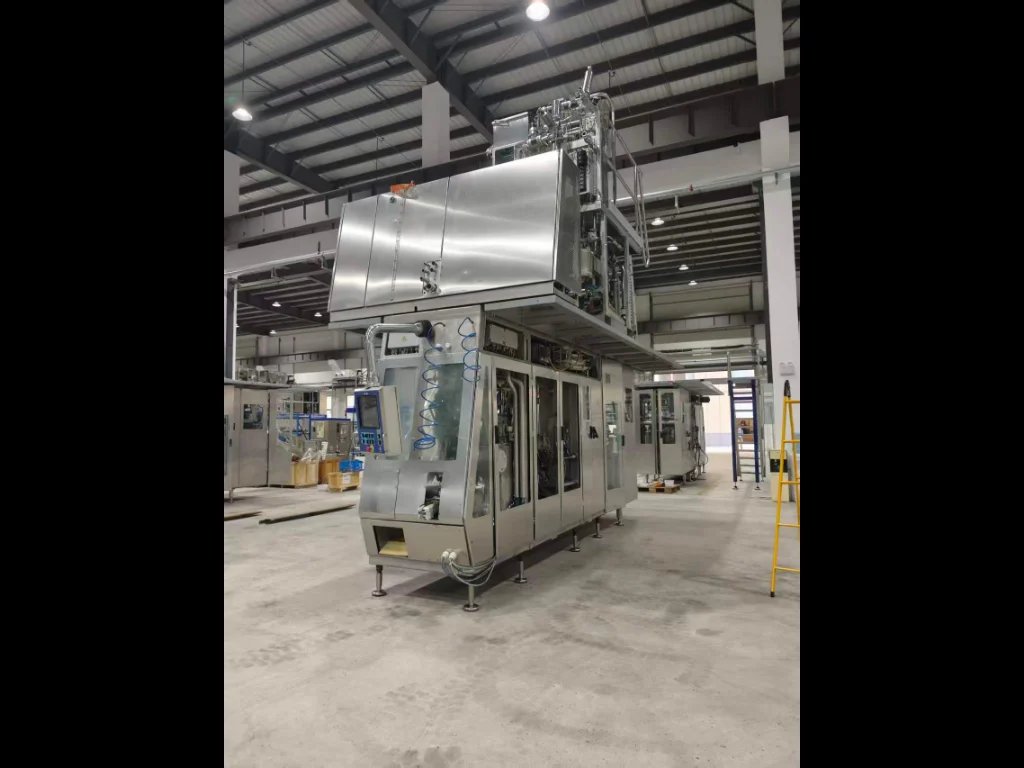
Used Tetra Pak A3 Flex 200S, 100V filling lineTechnical Specifications
& Performance DataThis used Tetra Pak A3 Flex filling line is
configured for the 200S carton format and is centered on a Tetra Pak
A3 Flex 100V filling machine manufactured in 2005. The line includes
coordinated downstream equipment for carton handling, straw
application and cardboard secondary packaging.Filler: Tetra Pak A3
Flex, version 100V, year 2005Line format: 200SAccumulator: Tetra Pak
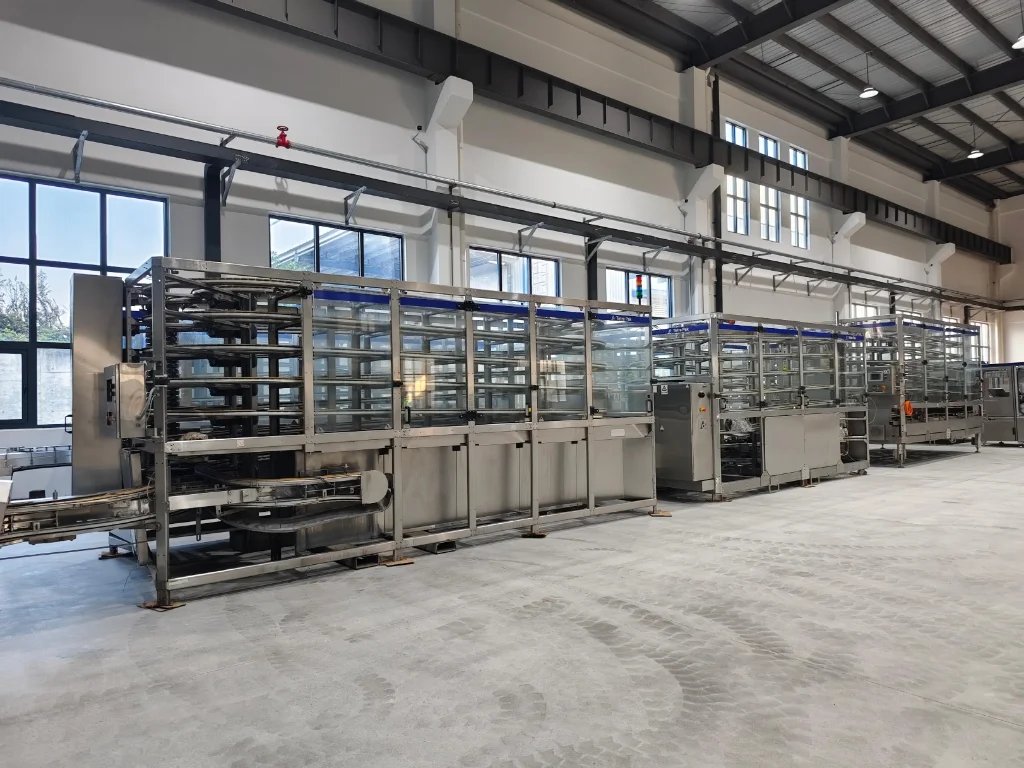
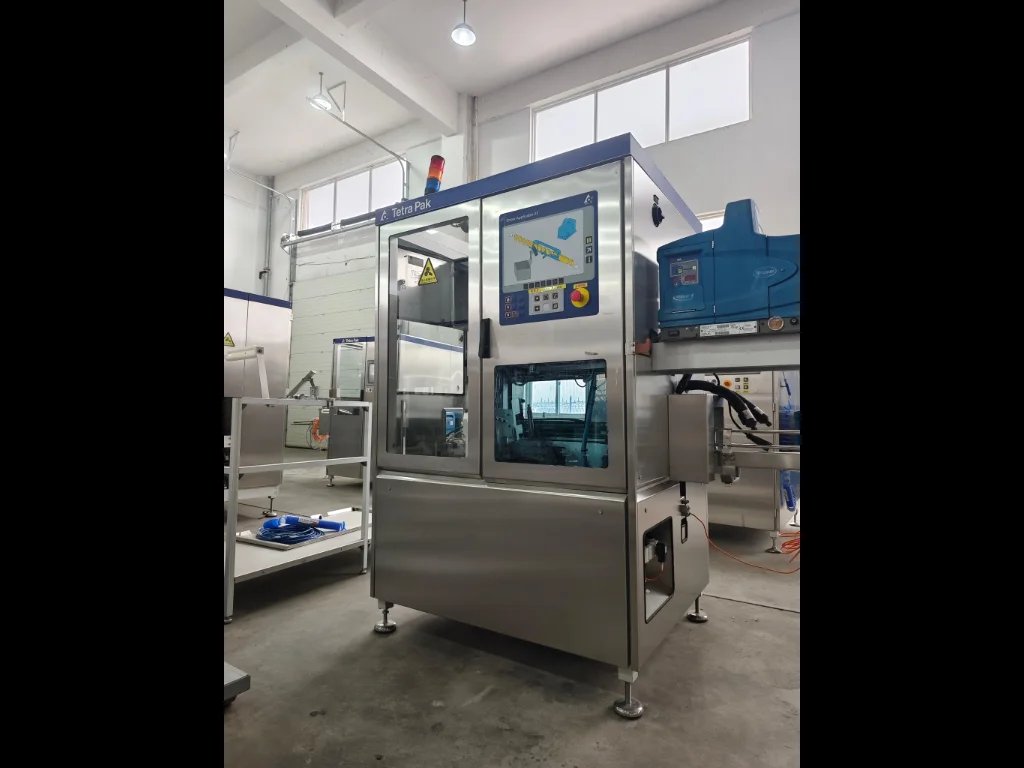
ACHX30-50M, year 2010Straw applicator: Tetra Pak SA22, year
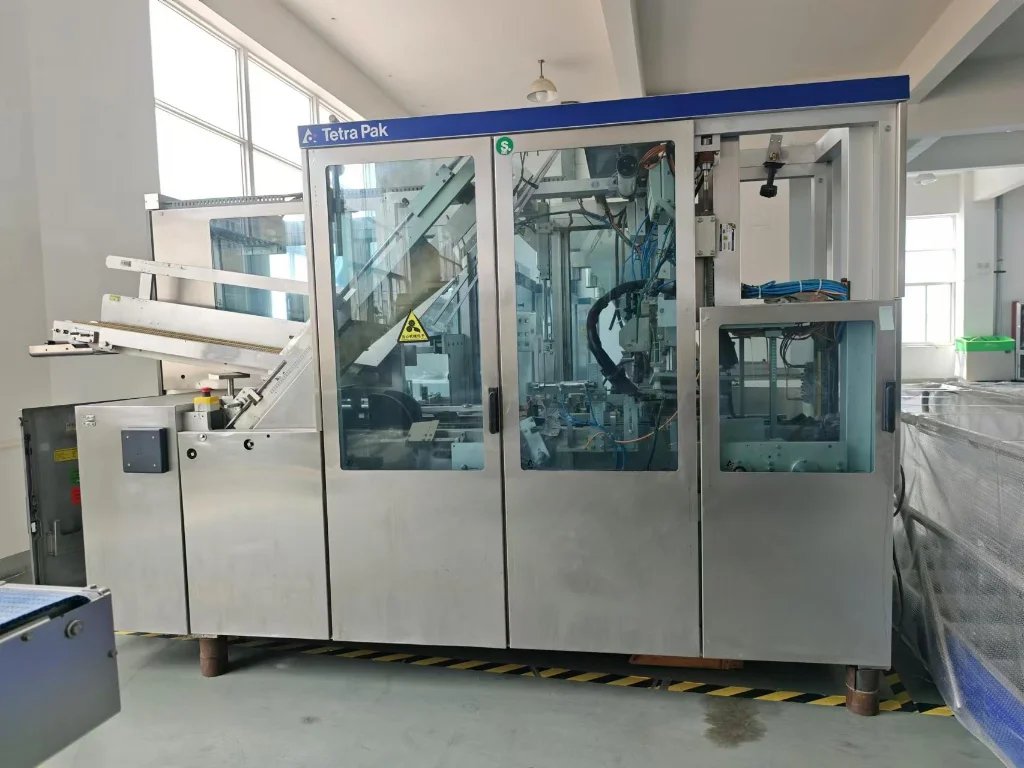
2009Cardboard packer: Tetra Pak CBP32, year 2009Included accessories:
2 paper reels and 1 paper trolley supplied with the fillerAdvanced
Automation & Control SystemsThe filling line is arranged as an
integrated industrial packaging system, with the accumulator
supporting product flow between filling and downstream operations. The
equipment configuration is intended to coordinate filling, carton
handling, straw application and cardboard packing within a continuous
production process.The Tetra Pak A3 Flex filler is identified as
version 100V, with the possibility of an upgrade to 150V. Any upgrade
scope should be assessed against the required packaging configuration
and operating requirements.Production Line Integration
CapabilitiesThis Tetra Pak carton filling line combines the principal
stages required after carton filling: buffering, straw application and
secondary cardboard packaging. The included paper reels and paper
trolley support the handling and loading of packaging material for the
filler.Machine typeManufacturer / modelYearFilling MachineTetra Pak A3
Flex 100V2005Various EquipmentTetra Pak ACHX30-50M2010Various
EquipmentPaper ReelVarious EquipmentPaper TrolleyVarious
EquipmentTetra Pak SA222009Case PackerTetra Pak CBP322009The modular
arrangement makes this second hand filling and industrial packaging
line relevant for beverage production applications using the specified
200S carton format. It can be integrated with suitable upstream
product preparation and downstream end-of-line handling equipment
according to plant requirements.Machine Condition & Maintenance
HistoryThe filler, accumulator, straw applicator and cardboard packer
are described as used equipment. The line is offered as a complete
equipment group with its listed accessories, including paper reels and
a paper trolley associated with the filler.Before installation, buyers
should evaluate the functional condition of each module, verify the
compatibility of the 200S format with production requirements, and
plan commissioning procedures for the complete line.Operational
Performance & VersatilityThe Tetra Pak A3 Flex filling line is
designed around carton filling and subsequent packaging operations.
The accumulator provides a buffer between process stages, while the
SA22 straw applicator supports the application of straws to compatible
cartons. The CBP32 cardboard packer provides a dedicated secondary
packaging stage for filled cartons.The stated possibility of upgrading
the filler from 100V to 150V may provide a route for adapting the
filling platform to a different version, subject to technical
evaluation and applicable packaging specifications.Installation
Requirements & Site PreparationInstallation planning should consider a
continuous layout for the filler, accumulation section, straw
applicator and cardboard packing machine. Adequate access is required
for paper reel handling, trolley movement, operator access,
maintenance and carton flow between modules.Utility connections,
product supply, packaging-material handling, line controls and
downstream pallet handling should be evaluated during site
preparation. Commissioning should include format setup for 200S
cartons and synchronization of all connected machines.Safety Standards
& Compliance CertificationSafe operation of a used bottling line
requires inspection of machine guards, access doors, emergency-stop
devices and interlocks before commissioning. Operators should be
trained for carton-material handling, filler operation, straw
application and cardboard packing activities.Food and beverage
production installations should follow site hygiene procedures and
applicable local safety requirements. A pre-installation review should
confirm that the line safety systems and operating procedures are
suitable for the intended production environment.




 Italia